
- October 8, 2026
- (0)
- Home Care Services
Coming home from the hospital feels like the hard part is over. Usually it isn’t. The patient is tired, sore or unsteady, and the family is suddenly in charge of things the hospital staff handled: medicines, dressings, meals, getting to the bathroom safely at 3 a.m. Plenty of families manage this for a week or two and then start to wear down, especially when they also have jobs and a household to run.
Home care services exist for exactly this stage. What you need depends on the patient. Some people only need someone around to help them get up and eat. Others need a trained nurse who can look after a wound or monitor their health. Working out which one you’re dealing with is the first job.
Contents
- 1. Why the first days after discharge are the hardest
- 2. Help with everyday activities
- 3. Keeping an eye on the patient’s condition
- 4. Medicines
- 5. Wound care after surgery
- 6. Elderly patients and chronic conditions
- 7. Critical care at home
- 8. Palliative care
- 9. Caregiver or nurse?
- 10. A simple daily routine
- 11. Getting the house ready
- 12. How many hours of care?
- 13. Staying involved as a family
- 14. Frequently Asked Questions
Why the first days after discharge are the hardest
A discharge summary doesn’t mean the person is back to normal. Most patients are weaker than they expected. Someone who walked to the kitchen without thinking before surgery may now need an arm to hold. An older parent might nod along to the discharge instructions and then forget half of them by evening.
Older adults, surgical patients and people with long-term conditions tend to need the most help. Even small things, like getting out of bed or remembering which tablet is due, take more effort than before.
Before you arrange post hospital care, sit down and answer a few questions. What is the patient’s condition right now? Do they need a nurse, or would a caregiver do? Is there a wound to look after? Does anyone need to check their vitals regularly? How many hours a day would actually help, and for how long? Whatever you decide, the routine should follow what the treating doctor has told you.
Help with everyday activities
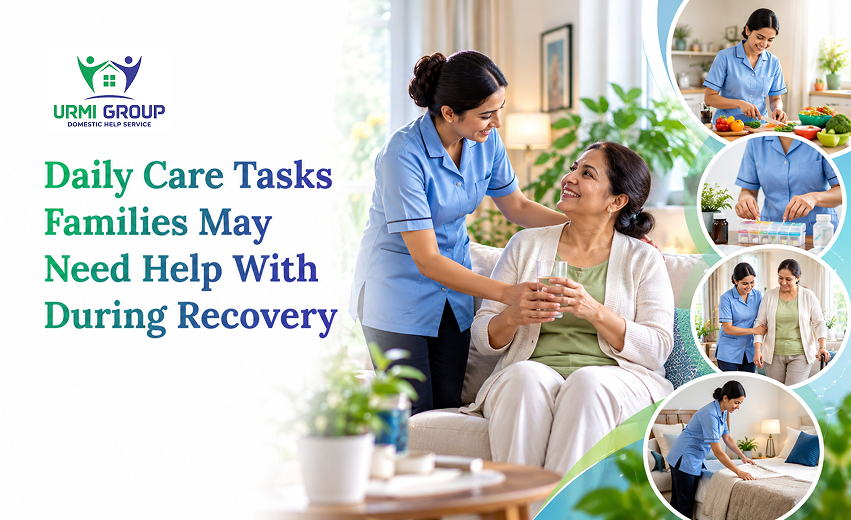
Pain, weakness and tiredness make ordinary jobs hard. Washing, dressing, eating, and getting from the bed to a chair can all need a second pair of hands. That’s often true after surgery or a long illness, and for older people it can be true simply because their strength has dropped.
A general home caregiver can do this kind of work. They’re there for company and practical help, not medical tasks. If the patient needs wound care, health checks or help with a complicated medicine schedule, a qualified nurse is the right person.
Keeping an eye on the patient’s condition
Some patients need their vitals checked regularly, or someone watching for changes that shouldn’t be ignored. That’s common for elderly patients, people just out of surgery and anyone with a chronic condition.
Home nursing services mean this can happen at home, so nobody has to stay in a hospital bed just for routine monitoring. If something looks wrong, call the treating doctor. Don’t wait to see if it passes.
Medicines
Patients often come home with several medicines at different times of day, and it’s easy to lose track, particularly if the patient is elderly or still foggy from recovery. When it’s part of the care plan, a nurse can follow the prescribed schedule so doses aren’t missed or doubled.
One rule for families: never change a dose, stop a medicine or add something new without asking the treating doctor first. Nursing care services should follow the medical team’s instructions closely.
Wound care after surgery
Depending on the operation, there may be dressings to change, a drain to look after, or a wound that needs checking every day. Many family members aren’t comfortable doing this, and that’s fair. Post-surgery care at home can bring in a nurse for it.
Follow the surgeon’s instructions on how the wound should be handled, and ask them in advance what would count as a reason to call. Redness, swelling and discharge are the usual things families want to know about.
Elderly patients and chronic conditions
Older adults recovering from illness often have other health problems running alongside it. Home health care services let them get monitoring, help with daily tasks and mobility support without leaving the house, and with enough time to ease back into their routine.
This isn’t only for people just out of hospital. Someone living with diabetes, high blood pressure or the effects of a stroke may need regular checks and daily help for a long time, and home care spares them a trip every time. In all of these cases, the aim is to help with what the person can’t do yet while leaving them to do what they still can.
Critical care at home
Some patients go home with needs far beyond general caregiving. They might be on a ventilator or BiPAP, have a tracheostomy, need IV infusions or need their oxygen levels watched closely. That takes trained nurses who understand the specific condition.
Don’t start this kind of care until the right professional care is lined up and the home is actually suitable for it. Be completely open with the provider about the patient’s current condition.
Palliative care
Not all care is about getting better. Palliative care is for patients living with a serious, ongoing illness, and it focuses on comfort, managing symptoms and emotional support for the family as much as for the patient. Follow the treating team’s guidance, and make sure everyone knows who to call if things change.
Caregiver or nurse?
Families often get stuck on this one. A caregiver is the right choice for companionship, meals, help moving around and general daily routine. A nurse is for anything clinical: wound care, health monitoring, post-surgical nursing, or a more complicated medical condition.
Don’t ask a caregiver to do clinical tasks. They aren’t trained for them. But don’t book a full-time nurse if a caregiver would do the job either. Ask the healthcare team what the patient needs and go from there.
A simple daily routine
Having a routine helps the patient and everyone helping them. It doesn’t need to be strict, and it’ll look different for each person, but most days go roughly like this.
In the morning: get up safely, wash, have breakfast, take the prescribed medicines, do any health checks and help with movement. Afternoon is lunch, plenty of fluids, a rest, medicines on time, some light activity if the doctor is happy with it, and monitoring if needed. In the evening: dinner, medicines, a short, safe walk around the house, personal care and bed.
Written down and stuck on the fridge, this saves a lot of “did anyone give Dad his tablet?” moments.
Getting the house ready
A bit of preparation before the patient arrives makes the first week much easier. Clear the walking paths so there’s nothing to trip over. Make sure the rooms are well lit, especially at night. Keep the things they use most within easy reach, and set up a comfortable place to rest. Keep emergency numbers somewhere obvious, sort the medicines by time of day, and make the bathroom as safe as you can.
These changes matter most when someone has limited movement or reduced strength. For more on preventing falls, the World Health Organization has useful guidance on falls in older adults.
How many hours of care?
There’s no standard answer. Some patients need a few hours a day. Others need nursing cover for much longer. It depends on their condition, how independent they are, what kind of nursing is involved, how many daily tasks there are, how far along their recovery is, and how much time the family can honestly give.
Agree the schedule before care starts. When the hours and responsibilities are written down, the family, caregiver and nurse all know what’s expected.
Staying involved as a family
Hiring help doesn’t take the family out of the picture. Keep track of the care routine, appointments and follow-up visits, and stay in touch with the doctor. The more everyone talks, the fewer things slip through.
Final thoughts
Looking after someone in recovery is a lot of small jobs spread across the day, and it’s hard to fit around work and everything else. The right help makes it manageable. Some patients just need a hand with daily activities, and others need a nurse for wound care, monitoring or more complex needs.
Plan the care around the person, not around a template. A clear plan, a safer home, regular communication and the right professional support all make recovery easier.
If you’re looking for home nursing care in Delhi-NCR, Urmi Group provides nursing support based on each patient’s requirements, and you can contact them if you’re still unsure which type of care fits.
Frequently Asked Questions
It varies, but commonly personal routines, moving around, meals, medicine schedules, health monitoring and wound care.
When the patient needs clinical help, such as wound care, post-surgery recovery, health monitoring or management of a chronic condition.
A caregiver helps with non-clinical daily activities and routine. A nurse is trained to give clinical care within their qualifications.
Yes. They can get help with daily activities, mobility and health monitoring, depending on their condition.
Often, yes, once the patient has been discharged and still needs support. What kind depends on the surgery, the recovery needs and the treating team’s instructions.

Leave a Reply